Source Luxury Velvet Watch Box for Jewelry, Gifts, and Retail
Explore 30 options for a luxury velvet watch box designed for secure storage and elegant presentation. Buyers can compare custom sizes, clamshell styles, and velvet interiors to find the ideal packaging solution for jewelry, gifts, and retail displays; compare the available evidence and request quotations based on your requirements.
Key considerations
Products List


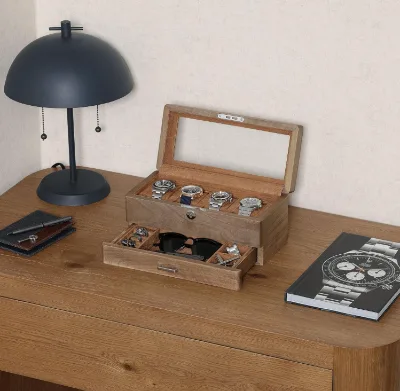


Comprehensive Sourcing Guide
Luxury Velvet Watch Box Sourcing Guide
Sourcing luxury watch boxes requires balancing aesthetic appeal with functional protection, as these containers serve as critical touchpoints for brand perception and product safety. The market offers a diverse range of options, from rigid cardboard structures to PU leather finishes, each catering to different price points and design philosophies. Buyers must navigate this landscape by understanding the specific material properties and manufacturing processes that define quality in this category.
This guide focuses on the technical and commercial aspects of procuring high-end watch packaging, emphasizing verification of material grades, surface treatments, and structural integrity. By aligning supplier capabilities with precise brand requirements, purchasers can ensure that the final product not only protects the timepiece but also enhances the unboxing experience. The following sections detail the essential steps for evaluating suppliers and defining product specifications.
Product Scope and Observed Listing Signals
The observed product landscape includes variations such as jewelry boxes, gift boxes, and specialized watch containers, with materials ranging from cardboard and flannel to PU leather. Listings frequently highlight customization options, allowing buyers to specify shapes like squares or clamshell designs, and surface finishes including matte or gloss lamination. These signals indicate a flexible manufacturing environment where aesthetic details, such as embossing or hot stamping, are readily available to meet specific branding needs.
Price and minimum order quantity (MOQ) ranges suggest a tiered market structure, with entry-level options starting at low unit costs and higher MOQs, while premium customizations may command higher prices. The presence of both single-sided and two-sided printing options, along with various color palettes from Pantone matches to standard CMYK, underscores the importance of clear artwork preparation. Buyers should interpret these signals as indicators of the supplier’s capacity for both volume production and bespoke design execution.
Technical Specifications to Verify
Verifying the internal structure is paramount, as the inside lining directly impacts product protection and presentation. Common configurations include velvet or foam inserts designed to cradle the watch securely, preventing movement during transit. Buyers must confirm the hardness of the box structure, noting that partial hard constructions offer a balance between durability and weight, which is crucial for shipping efficiency and handling.
Surface disposal techniques, such as burning gold or silver accents, require close inspection to ensure consistency and adhesion. The choice between cardboard, PU, or mixed materials like flannel affects both the tactile experience and the visual appeal. Additionally, the availability of specific artwork formats like AI, PDF, or CAD files facilitates precise design implementation, ensuring that logos and decorative elements are reproduced accurately on the final packaging.
Compliance and Safety Documentation
While specific certification statuses are not universally listed, buyers should request documentation related to material safety and environmental standards. For packaging intended for food or cosmetic adjacent markets, verifying the absence of harmful substances in inks and adhesives is essential. Although the primary application is for jewelry and watches, understanding the chemical composition of materials like PU or cardboard can mitigate risks associated with off-gassing or material degradation over time.
Documentation should also cover the manufacturing processes, particularly regarding the use of laminates and coatings. Buyers need to ensure that any surface treatments comply with relevant regulations in their target markets, especially if the packaging is marketed as eco-friendly or recyclable. Requesting material safety data sheets (MSDS) for inks and adhesives can provide clarity on the chemical profile, ensuring that the final product meets both legal and brand-specific sustainability goals.
Cost Drivers and Commercial Terms
Costs are influenced by material selection, customization complexity, and order volume. The use of premium materials like PU or velvet, combined with intricate processes such as embossing and hot stamping, typically increases the unit price. Buyers should anticipate a payment structure that often involves a deposit, such as 30% or 50%, with the balance due before shipping, reflecting the custom nature of the production.
Lead times and sample availability are critical commercial factors, with sample production often taking 2-5 days to allow for design validation. The MOQ range, observed between 100 and 5000 units, suggests that smaller batches may incur higher per-unit costs due to setup fees. Understanding these commercial terms helps in budgeting accurately and planning inventory levels, ensuring that cash flow is managed effectively throughout the procurement cycle.
Supplier Qualification and Quality Control
Evaluating supplier capabilities involves assessing their origin and production facilities, with notable hubs in Guangzhou and Yiwu offering distinct advantages in terms of supply chain efficiency. Buyers should verify the supplier’s ability to handle custom sizes and designs, as indicated by the flexibility in product models and standard specifications. Requesting references or case studies can provide insight into the supplier’s reliability and consistency in delivering high-quality packaging solutions.
Quality control protocols should include pre-production samples and in-line inspections to catch defects early. Given the variety of processes involved, from silk-screen printing to lamination, a robust QC plan is essential to maintain consistency across large orders. Buyers should also inquire about the packaging method, such as OPP bags into cartons or export cartons, to ensure that products arrive in pristine condition, minimizing damage during transit.
Long-Term Procurement Checks
Establishing a long-term partnership requires regular performance reviews and continuous improvement initiatives. Buyers should monitor supplier responsiveness, adherence to deadlines, and the consistency of product quality over multiple orders. Building a relationship with a supplier who can adapt to changing design trends and material innovations ensures that the brand remains competitive in the luxury market.
Regular audits of the supplier’s production processes and material sourcing can help identify potential risks and opportunities for cost optimization. By maintaining open communication and setting clear expectations for quality and service, buyers can foster a collaborative environment that supports sustained growth. This proactive approach to supplier management ensures that the procurement process remains efficient and aligned with the brand’s long-term strategic objectives.
FAQs
Can luxury velvet watch boxes be customized with specific logos?
Yes, logo printing is available for these watch boxes. Buyers can provide artwork in formats like Ai or Pdf for customization. The surface disposal options include matte or gloss lamination, along with burning gold or silver effects. This allows for distinct branding on the packaging while maintaining the premium feel of the velvet interior.
What materials are used for luxury velvet watch box construction?
These boxes typically use cardboard or flannel as the primary material. The interior often features velvet with foam to protect the watch. Some variants may include PU materials for added durability. The structure is designed to be partial hard, ensuring the box maintains its shape while providing a soft, luxurious touch for high-end jewelry and watch presentation.
What are the standard payment terms for ordering these boxes?
Standard payment terms usually require a 50% deposit with the remaining 50% due before shipping. Alternatively, some suppliers may request a 30% deposit and 70% balance before shipment. These terms ensure commitment from both parties. Buyers should confirm the specific payment structure with the manufacturer before placing the bulk order to avoid any processing delays.
How long does it take to produce a sample?
The sample time is typically 2-5 days. This allows manufacturers to create a prototype based on your design requirements. Once the sample is approved, the bulk production can begin. This quick turnaround helps buyers verify the quality, size, and printing details before committing to a larger order quantity, ensuring the final product meets their expectations.
What printing processes are available for these watch gift boxes?
Available printing processes include golden, silver, and hot stamping. Surface disposal options feature matte or gloss lamination, as well as burning gold or silver effects. Embossing and silk-screen printing are also common. These techniques allow for intricate designs and premium finishes, enhancing the visual appeal of the box for luxury watch packaging and gifting purposes.
What is the minimum order quantity for custom watch boxes?
The observed minimum order quantity ranges from 100 to 5000 units. This flexibility allows buyers to order small batches for testing or large volumes for distribution. The exact MOQ depends on the specific manufacturer and the complexity of the customization. Buyers should check with their chosen supplier to confirm the precise MOQ for their desired design and material.